Cabernet Franc
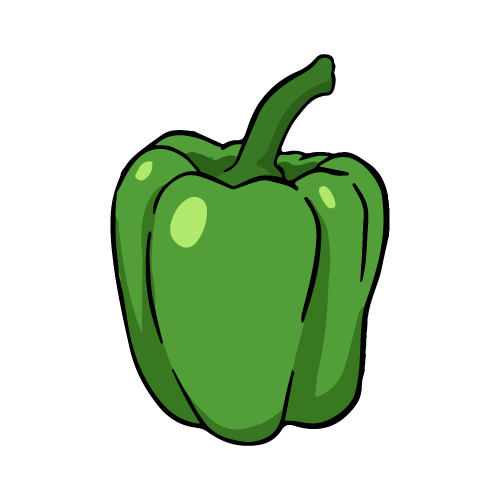
Cabernet Franc is the parent grape of Merlot and Cabernet Sauvignon with aromas of raspberry, bramble, and bell pepper (pyrazines).
Pronunciation
kab-er-nay fronk
Introduction
Cabernet Franc is a parent grape of Merlot, Cabernet Sauvignon, and Carménère and gives them a hint of mint or green bell pepper. Depending on its growing conditions, it can be lighter or bolder, yet always flavorful.
Characteristics
High Acidity
Medium-bodied Body
Medium-High Tannins
Dry
Flavors and Taste
Cabernet Franc has proven to be a robust variety, consistently producing good-quality wines in a range of climates. This highlights its diverse taste profile: tart red fruit flavors in cooler climates and richer, dried fruit flavors with fuller body in warmer areas such as Tuscany and California. You’ll also find a mixture of savory, tart, and herbal flavors in moderate climates like Bordeaux.
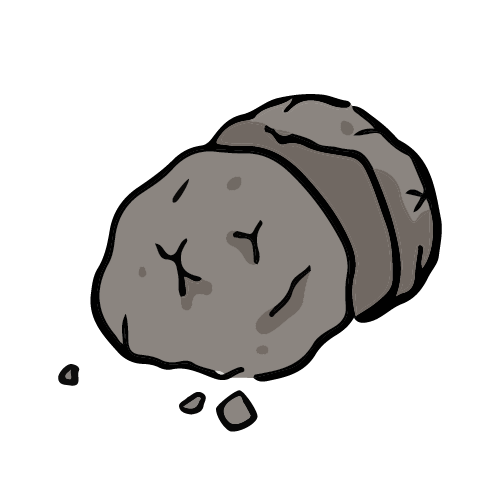
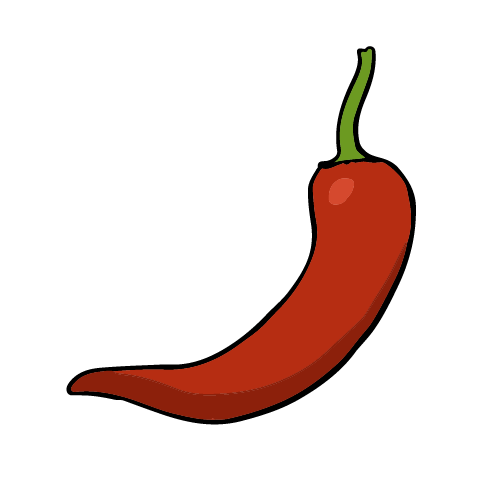
On the nose, Cabernet Franc has a distinctive herbaceous and bell-pepper aroma. It can also smell like red fruit and sometimes even pencil lead. In cooler climates, you’ll find violet notes, and in warmer climates, expect dried fruit flavors and cayenne pepper notes.
On the palate, Cabernet Franc has high levels of zesty acidity. It can also have relatively high tannins, although not as high as those of Cabernet Sauvignon. Cooler-climate wines have slightly lower tannins, while warmer-climate wines tend to have more.
Dry
Medium Body
Medium-High Tannins
High Acidity
11.5–13.5% ABV
Flavor Profile


Key Regions
Serving Suggestions

Alcohol by Volume
12-13%
Moderate alcohol

Serving Temperature
16-18°C (61-65°F)
Cellar temperature - light reds

Decanting
15-30 minutes
Brief aeration

Recommended Glass Type
Universal Red Wine Glass
All-purpose glass suitable for most red wines
Food Pairing
Due to its range of styles and naturally high acidity, Cabernet Franc pairs well with a wide variety of foods. Its higher acidity makes it possible to pair it with tomato-based dishes, vinegar-based sauces (smoky BBQ, anyone?), or rich veggies like black beluga lentils. If you learn only one tip about pairing Cabernet Franc, match it with real herbs in your dish.
Deep Learning
Take a deep dive into understanding the complex nature of Cabernet Franc.
The Green Machine
Methoxypyrazines are responsible for Cabernet Franc’s distinctive bell pepper and herbal aromas. These compounds naturally occur in grape skins as a natural defense against pests. And it’s part of why this grape successfully grows in such a diverse range of places.
Cabernet Sauvignon, sharing genetic heritage with Cabernet Franc, also exhibits this trait, though the expression can vary based on factors such as climate and ripeness at harvest. Sauvignon Blanc, too, is known for methoxypyrazine-driven aromas, though its profile leans more towards fresh-cut grass or gooseberry. The common thread among these varieties is the critical role of methoxypyrazines, specifically IBMP, in defining their unique aromatic identities.
Cabernet Franc is the parent grape of many important varieties, including Cabernet Sauvignon.
The Parent Grape
Cabernet Franc is the progenitor (the parent) of some of the most celebrated grape varieties in the world. This work has been done by grape scientists, called ampelographers, through DNA profiling.
Cabernet Franc with Sauvignon Blanc created Cabernet Sauvignon.
Furthermore, the same parentage is responsible for the development of Merlot.
Finally, Carménère has its lineage tracing back to Cabernet Franc as well.
Therefore, while Cabernet Franc may only sometimes be the main focus in viticulture, its genetic influence underpins the lineage of several widely recognized and valued wine grape varieties.