Tannat
Tannat tastes range from red to black fruit with a decent dose of black licorice, vanilla, dark chocolate, espresso, and smoke
Pronunciation
tahn-naht
Introduction
Tannat contains some of the highest levels of antioxidants in any wine. This deeply colored red grape originates in France and is increasingly popular in Uruguay.
Characteristics
Medium Acidity
Full-bodied Body
High Tannins
Dry
Flavors and Taste
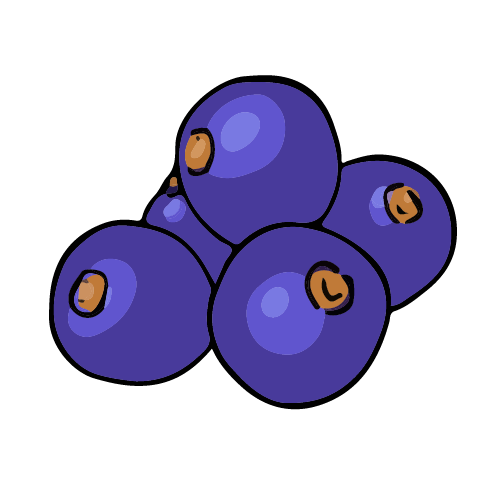
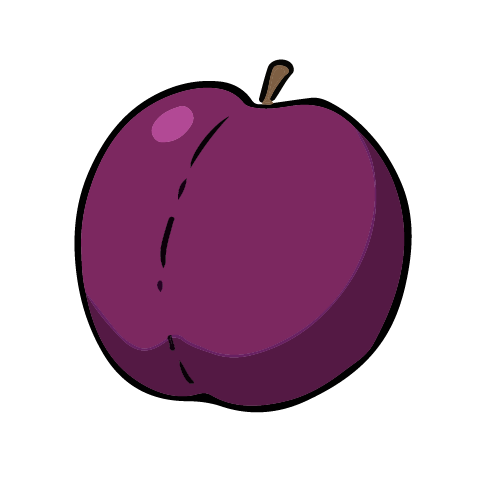
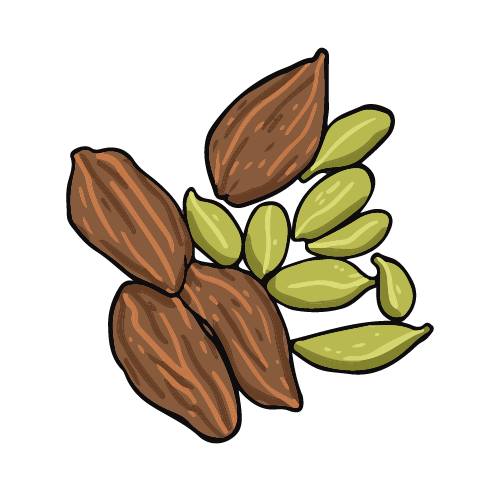
On the nose, Tannat delivers rich aromas of black currant and red plum, with subtle notes of licorice, smoked meats, and black cardamom. Tannat’s aromas range from ripe and fruity to herbal and savory, depending on the climate where it grows.
Tannat wines typically taste dry on the palate, with a full body, a high level of structured, astringent tannins, and moderately high acidity. These robust traits make Tannat a great choice for aging mid to long term, as wines soften over time.
Dry
Full Body
High Tannins
Medium Acidity
13.5–15% ABV
Flavor Profile

Key Regions
Serving Suggestions
Alcohol by Volume
14-15%
High alcohol
Serving Temperature
16-18°C (61-65°F)
Cellar temperature - light reds

Decanting
30-60 minutes
Moderate aeration

Recommended Glass Type
Oversized Glass
A large, bowl-shaped glass that allows bold red wines to breathe and develop their full aromatic complexity.
Deep Learning
If you had seen tasting notes for French and Uruguayan Tannat, you likely noted that the version from Uruguay is described as having smoother tannins and more floral aromas. This difference is partially due to clonal selection.
The original grapevine clones brought from France by Basque immigrants produced wines that were likely very astringent and grippy, just like in Madiran. However, in Uruguay, producers have selected different clones that produce smoother tannin wines with more elegance.
Winemaker’s Secrets to Tannat
Wine writer Stacy Slinkard spoke with winemakers about Tannat, and here’s what she found out.
Winemakers love Tannat because its thick skins make it:
Relatively easy to grow in a variety of climate conditions (especially dry).
Less likely to be attacked by vineyard pests, fungus, and mold.
Less susceptible to cold temperature variations and the dreaded frost.
Of course, it can be tricky to manage in the cellar because it’s such a big wine! The grape showcases extra thick skins and high seed counts (often five seeds per grape instead of the standard 2–3). These attributes contribute to robust polyphenol compounds in the wine.
Looking for Velvety Tannat?
Here’s what to look for in the winemaker’s notes to find smooth, velvety wines:
Oak barrel aging – while oak introduces wood tannins, it also allows a steady oxygen entrance to the wine, which helps the wine taste smoother.
Micro-oxygenation (aka “microOX” or microbullage in French) – is the process of introducing very small amounts of oxygen during the winemaking process to soften the overbearing structure and make the wines more approachable at a younger age.
Extended aging – one of the perks of aging a wine that is built to age (i.e. carries high tannins and high acidity) is that over time, the wine’s tannins will break down and soften on their own.