Viognier
Viognier is a rich, oily white wine that originated in the Northern Rhône and is rapidly growing in popularity around the world.
Pronunciation
vee-own-yay
Introduction
A rich, oily white wine that originates in the Northern Rhône and is rapidly growing in popularity in California, Australia, and beyond. Wines are often aged in oak to deliver Chardonnay-like richness.
Characteristics
Medium Acidity
Full-bodied Body
Dry
Flavors and Taste
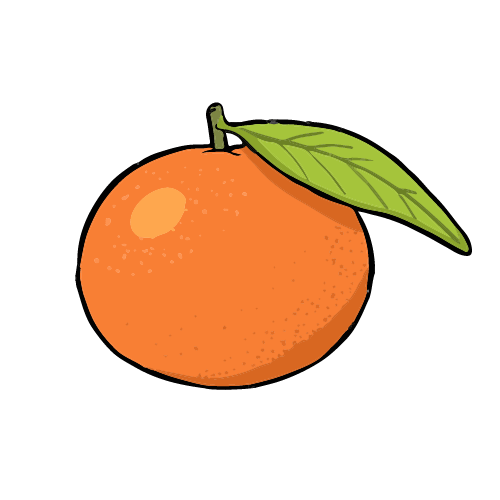
On the nose, Viognier is a very aromatic wine with rich aromas of tangerine, mango, honeysuckle, rose, and peach. Oaked versions will also have subtle vanilla and smoke aromas.
On the palate, Viognier is quite viscous and full-bodied. If you like full-bodied Chardonnay, you’ll probably appreciate Viognier. Despite its sweet aroma, Viognier is typically dry.
Dry
Full Body
No Tannins
Medium-low Acidity
13.5–15% ABV
Flavor Profile




Key Regions
Serving Suggestions
Alcohol by Volume
14-15%
High alcohol
Serving Temperature
8-12°C (46-54°F)
Chilled - light whites and rosés
Recommended Glass Type
White Wine Glass
Smaller bowl to maintain cooler temperature
Deep Learning
Due to its unique characteristics, Viognier requires specific viticultural and winemaking techniques to maximize its potential.
For instance, the grape thrives in hot and dry climates and requires careful irrigation and pruning to manage its low yields.
Additionally, it’s susceptible to diseases, and growers need to implement appropriate vineyard management practices to prevent infection.
Winemaker’s Secrets to Viognier
Winemakers often use oak barrels for aging Viognier to enhance its complexity and add vanilla, caramel, and toasty flavors to the wine. The fermentation temperature is a critical factor in winemaking. The ideal temperature range for fermentation is 18 to 22°C, which helps preserve the grape’s fruity and floral flavors.
Additionally, extended skin contact and lees stirring during the winemaking process can add aromatics, complexity, and richness to the wine.
Why Is Viognier So Aromatic?
Viognier is famous for its distinctive aroma, which is a combination of floral and fruity notes. The primary chemical compounds responsible for these aromas are terpenes and esters.
Terpenes are found in the grape skins and contribute to the floral aromas, including:
linalool
geraniol
nerol
Esters, which are formed during fermentation, are responsible for the fruity aromas and include:
ethyl hexanoate
ethyl octanoate
ethyl decanoate
Other compounds, such as β-damascenone and 1,1,6-trimethyl-1,2-dihydronaphthalene, also contribute to the complex aromas of Viognier.